
Bringing Your Dog Home: First Days & Housetraining (Part 1)
The first few days with your new dog set the tone for everything that follows. Bring an ID tag and a snug buckle collar to pickup, keep the first day calm and low-key, and start a potty routine right away. This is Part 1 of our 4-part guide to bringing a rescue dog home; for what to expect emotionally that first week, see What to Expect the First Week With a Newly Adopted Dog.

What to Have Ready Before Pickup
A few supplies waiting at home make the first day much less stressful, for you and for your dog.
- Buckle collar, leash, and ID tag: the collar should be snug enough that two fingers just fit underneath, and the tag should be attached before you leave the shelter or foster home.
- A crate: sized so your dog can stand, turn around, and lie down comfortably. Add a divider if you’re bringing home a puppy who still has growing to do. Line it with soft bedding and a couple of safe toys.
- Baby gates: a good option if you’d rather not crate, or want to add a second layer of confinement in a bigger space like the kitchen.
- Stainless steel or ceramic food and water bowls: plastic can hold bacteria and odor, and some dogs get chin acne from it.
- An enzyme-based cleaner made for pet stains, such as Nature’s Miracle or Simple Solution. Skip ammonia-based cleaners. Urine contains ammonia, so those products can actually encourage a dog to remark the spot.
- Safe chew toys your dog can’t tear apart or swallow, to redirect any chewing away from furniture and shoes.
- A brush and flea comb matched to your dog’s coat type.
The First Hour Home
Before you even walk in the door, take your dog on leash to a spot you want to become their regular bathroom spot, and give them a few minutes to sniff around and go. Praise warmly the moment they do. That first successful potty trip, on your terms, is the start of the routine you’re building.
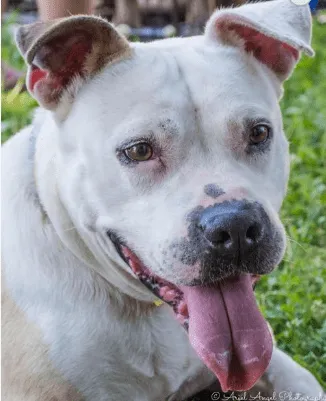
Once inside, keep the house tour calm and on leash. Skip the welcome party. Dogs coming out of a shelter or foster environment are already processing a lot of change, and a crowd of new people and a new home on the same day can be overwhelming. Show your dog to their crate, drop in a treat, and let them explore it at their own pace.
Expect some stress signals in the first day or two: panting, pacing, drooling, mild stomach upset, or an accident even from a dog who was reliably housetrained before. That’s a normal reaction to a big change, not a sign anything is wrong. Give your dog a few quiet days before introducing visitors, trips to the pet store, or a busy dog park.
Housetraining From Day One
Even a fully housetrained adult dog needs a few days to learn your schedule and your yard. Build the habit early and most dogs settle in within one to two weeks.
Keep a consistent schedule
Take your dog out first thing in the morning, after meals, after naps or play sessions, and right before bed. Puppies need a bathroom break every two to four hours; adult dogs can typically go longer, but consistency matters more than the exact interval. Watch for circling, sniffing, or sudden restlessness, which usually means it’s time to go.
Use the crate as a tool, not a punishment
Dogs generally avoid soiling the space where they sleep, which is why crate training speeds up housetraining. Keep crate time to a reasonable stretch (young puppies especially shouldn’t be crated more than a few hours at a time), and never put your dog in the crate as a consequence. The crate should always mean something good: a treat going in, a favorite toy, a quiet place to settle.
Reward the behavior you want
Praise and a small treat right after your dog goes in the right spot reinforces the habit. Don’t end the walk the instant they finish, or they may learn to hold it to stretch out the walk. If an accident happens, interrupt gently and head outside. Skip any correction after the fact. Dogs live in the moment and can’t connect a delayed scolding with something they did minutes ago, so punishing after the fact only teaches your dog to be anxious around you, not to hold it.
When accidents keep happening
If housetraining isn’t clicking after a couple of weeks of a consistent routine, check in with your vet. A urinary tract infection, parasites, or other medical issue can cause accidents that no amount of training will fix. Separately, some dogs, especially shy or newly adopted ones, urinate briefly when greeted out of excitement or nervousness. That’s called submissive urination, and it responds to calm, low-key hellos, not correction.
Feeding and Daily Routine
If you’re switching your dog to a new food, do it gradually over five to seven days, mixing in more of the new food each day, to avoid stomach upset. Feed on a consistent schedule tied to your potty routine, skip table scraps (they encourage begging and can trigger digestive issues), and keep fresh water available at all times.
One More Thing
The first week is a real adjustment for both of you, and it’s normal for it to feel bumpy before it feels easy. For the emotional side of that transition, see What to Expect the First Week With a Newly Adopted Dog. When you’re ready to work on introductions to other pets and people in the house, continue to Part 2: Introducing Your New Dog to Dogs, Cats, and Kids.
Sources
This guide draws on structure and practical tips from Bringing Your New Dog Home by Robin Tierney, originally written for the Partnership for Animal Welfare and shared with adopters as a courtesy handout, along with housetraining and crate-training guidance from the ASPCA.